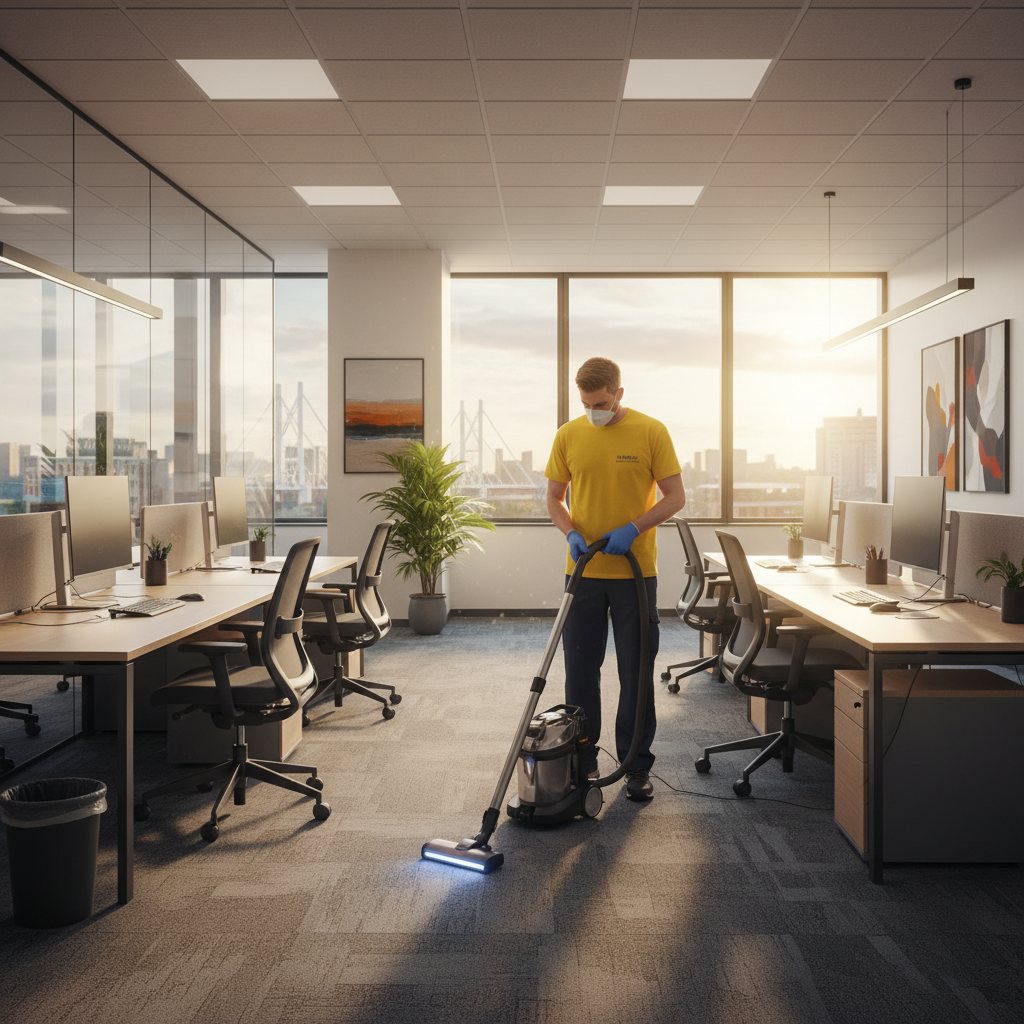
Cleaning Frequency Isn’t One-Size-Fits-All
One of the most common questions we get from facilities managers and business owners in Bristol is some version of: “Are we cleaning too much? Not enough? How do we even know?” It’s a fair question. Commercial cleaning frequency depends on your building type, foot traffic, how many people are using the space, and what kind of work happens there.
This guide breaks it down by area — so you can stop guessing and start working with a schedule that actually makes sense for your business.
Why Getting the Frequency Right Matters
Under-cleaning causes obvious problems: germs spread, spaces look neglected, and staff morale takes a hit. But over-cleaning without a strategy is also a waste of money. The goal is a cleaning schedule that matches how your space is actually used.
If you’re running an office in central Bristol with 40 staff, your needs look completely different from a small retail unit in Clifton or a school with 600 pupils. Office cleaning in Bristol covers a huge range of building sizes and working patterns — so frequency should be tailored accordingly.
High-Traffic Areas: Daily Cleaning Is Non-Negotiable
Some parts of your building take a beating every single day. These need daily attention at minimum.
Toilets and Washrooms
Daily cleaning is the baseline. In busy buildings — schools, retail, offices with over 20 staff — mid-day checks are worth adding. Soap dispensers, hand towels, and sanitary bins need restocking and checking. Surfaces should be disinfected, not just wiped down. People notice dirty toilets more than almost anything else, and it directly affects how they feel about being in your building.
Kitchen and Break Room Areas
Daily cleaning should include wiping down surfaces, cleaning the sink, and emptying bins. The inside of microwaves and fridges? Weekly at minimum. Most businesses leave these far too long — a quick wipe around the microwave door doesn’t count. A full deep clean of kitchen appliances should happen monthly.
Reception and Entrance Areas
First impressions are built here. Daily vacuuming or mopping, dusting hard surfaces, and cleaning glass doors keeps things looking professional. If you have heavy footfall, you might need the floors done twice a day in winter when people are dragging mud and rain in from outside.
Office Workspaces: More Often Than You Think
Desks, keyboards, phones, and shared equipment are some of the germiest surfaces in any office. Research from the University of Arizona found that the average desk harbours far more bacteria than a toilet seat — which sounds alarming but mostly just means desks aren’t cleaned nearly as often as they should be.
Desks and Workstations
Surfaces should be wiped down at least twice a week, ideally daily. Shared equipment — phones, printers, meeting room screens — needs disinfecting regularly. This is particularly relevant if you’re running a hot-desking setup where different people use the same stations each day.
Meeting Rooms
After every use, ideally. At minimum, meeting rooms should be cleaned daily. Tables, chairs, whiteboards, and tech equipment all need attention. A meeting room that looks like the last team left in a hurry doesn’t do your business any favours when clients walk in.
Open Plan Floors
Vacuuming should happen daily in high-use offices. Hard floors should be mopped at least three times a week. Window sills, skirting boards, and light fittings need attention weekly — most people forget about these until they’re visibly dusty, which means they’re already overdue.
Lower-Traffic Areas: Weekly Works, But Don’t Neglect Them
Not every corner of your building needs daily attention. For lower-traffic areas, a well-structured weekly clean is usually enough — provided it’s actually thorough.
Storage Rooms and Server Rooms
Weekly dusting and vacuuming. Server rooms in particular need regular attention because dust buildup affects equipment performance and can be a fire risk. These are often overlooked because they’re out of sight — don’t let them become an issue.
Stairwells and Corridors
High-use stairwells should be cleaned daily. Lower-use corridors can be done two or three times a week. These areas are often treated as afterthoughts, but they’re part of how your building feels when people walk through it.
Windows (Internal)
Monthly is usually sufficient for internal window cleaning. External windows depend on your building’s environment — near a road or construction site, you’ll need them done more frequently.
Periodic Deep Cleaning: What Needs to Happen Quarterly
Beyond your regular schedule, every business needs a deeper clean a few times a year. This covers the things that regular cleaning doesn’t reach.
- Carpet deep cleaning — quarterly in high-traffic offices, biannually in lower-use spaces
- Hard floor stripping and resealing — annually, or when floors start to look dull despite regular mopping
- Air vents and ducts — at least twice a year; blocked vents affect air quality and heating efficiency
- High-level dusting — light fittings, ceiling corners, tops of cabinets; quarterly
- Full kitchen deep clean — monthly for break rooms, more frequently for commercial kitchens
If you want a structured approach to building this into your overall strategy, our guide on creating the perfect commercial cleaning schedule walks through how to set one up properly.
Industry-Specific Considerations
Frequency requirements vary significantly depending on what your business does.
Healthcare and dental: Daily clinical cleaning of all treatment areas, with deep cleans between patients for high-contact surfaces. CQC standards set the minimum here, and they’re strict for good reason.
Schools: Classrooms, toilets, and canteens need daily cleaning at minimum. Flu season and illness outbreaks mean extra disinfection of high-contact surfaces — door handles, bannisters, shared equipment.
Retail: Fitting rooms, tills, and customer-facing areas need daily attention. Stockrooms weekly. High footfall means floors often need more than one clean per day.
Communal blocks and managed properties: Common areas — stairwells, lifts, lobbies — should be cleaned at least twice a week, with a deeper clean weekly. Bins and external areas need regular attention too.
Signs Your Current Cleaning Schedule Isn’t Working
Sometimes the schedule looks fine on paper but isn’t delivering in practice. Watch for these:
- Staff complaints about cleanliness — this is usually the first sign
- Visible dust or grime building up between cleans
- Kitchen or toilet areas that feel unpleasant even after a recent clean
- A musty or stale smell in certain areas
- Increased sick days that might correlate with hygiene issues
If you’re ticking any of these boxes, it’s worth reviewing both the frequency and the quality of your current cleaning provision.
Getting the Right Schedule for Your Business
There’s no universal answer. A good cleaning provider will do a proper site assessment before recommending a schedule — not just guess based on your square footage. At Clean Bees, we use our office cleaning service to build bespoke schedules around how your space is actually used, with photo-verified results through our Xota platform so you always know the work has been done.
If you want a clear picture of what your business actually needs — and a realistic cost — get in touch for a free commercial cleaning quote. We’ll assess your site and put together a schedule that makes sense.