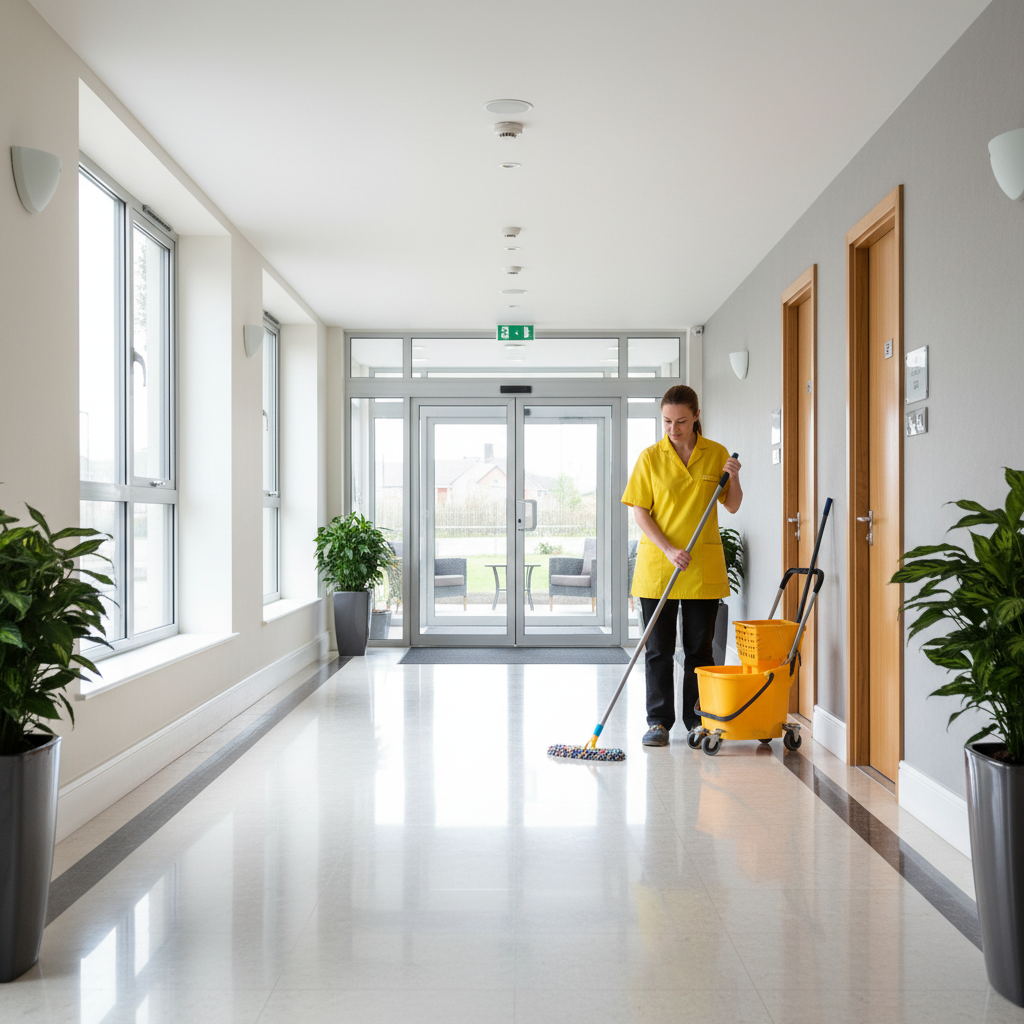
The Gap Between ‘Clean Enough’ and What Residents Actually Want
If you manage a residential block in Bristol, you’ve probably had the complaints. A smell in the stairwell. Bin areas that haven’t been touched since last week. A lift that looks like nobody’s been near it in a fortnight. Residents notice these things fast—and they talk about them.
Block cleaning in Bristol has become a genuine pressure point for property managers and landlords. Expectations have shifted. People living in managed blocks, whether that’s a converted Victorian terrace in Clifton or a newer development in Redcliffe, expect their communal spaces to be properly maintained. Not occasionally swept. Actually clean.
So what does that look like in practice, and how do you actually deliver it?
What Residents Actually Complain About
It’s worth being specific here rather than vague. When residents raise cleaning issues, the complaints usually fall into a handful of predictable categories.
- Entrance halls and lobbies that look grubby within days of being cleaned
- Stairwells collecting dust, cobwebs, and debris that nobody’s touched
- Bin stores that smell bad and haven’t been swept or wiped down
- Communal toilets or laundry rooms that feel neglected
- Lifts with smeared buttons and dirty floors
- Windows and glass panels around entrances that are consistently streaky or dirty
None of these are unreasonable. They’re all things residents walk past every day. When they’re not dealt with, it affects how people feel about where they live—and it reflects on whoever manages the building.
Frequency Matters More Than Most People Realise
One of the most common mistakes in block cleaning is treating frequency as an afterthought. A single weekly clean might keep things ticking over in a quiet block of six flats. It won’t cut it in a 40-unit building with a busy main entrance.
The right cleaning schedule depends on a few things: how many residents use a space, how much foot traffic the communal areas get, whether there are pets, whether there’s a bin store nearby that generates smells. There’s no universal answer.
If you’re not sure where to start, this breakdown of how often communal areas should be cleaned is worth reading. It goes through the logic for different types of blocks and usage levels, which makes it easier to build a schedule that actually works rather than one that just looks reasonable on paper.
Why Accountability Is the Real Problem
Here’s the honest issue with a lot of communal cleaning Bristol arrangements: nobody can tell if the cleaner actually came.
A cleaner visits on a Tuesday morning. Nobody’s around. The block looks roughly the same as before—maybe slightly better, maybe not. By Thursday a resident emails to say the stairwell is filthy. Did the cleaner do a bad job? Did they cut corners? Did they come at all?
Without any record, you’re just guessing. And guessing doesn’t help you manage the relationship with residents, chase your cleaning provider, or make decisions about whether your current contract is working.
This is where verification matters. Clean Bees’ block cleaning service in Bristol uses a platform called Xota that logs photo evidence of completed work. Cleaners capture before-and-after photos tied to specific tasks, timestamped and linked to the job. As a property manager, you can see what was done, when, and what it looked like. That’s not a nice-to-have. It’s how you manage a cleaning contract properly.
What a Decent Block Cleaning Specification Covers
Not all block cleaning contracts cover the same ground. If you’re reviewing your current provider or setting up something new, here’s what a solid specification usually includes.
Common areas — weekly or twice weekly depending on usage:
- Vacuuming or mopping of all floor surfaces in corridors and stairwells
- Wiping down banisters and handrails
- Cleaning lift interiors including buttons, mirrors, and floor
- Emptying any communal bins
- Spot cleaning walls and light switches
Entrance and lobby — at minimum weekly:
- Hard floor cleaning
- Glass and door cleaning
- Wiping down post boxes and notice boards if present
Bin stores — weekly or as needed:
- Sweeping out
- Wiping down surfaces
- Checking for spillages or build-up of waste
Periodic tasks — monthly or quarterly:
- Cobweb removal from ceilings and corners
- Cleaning of light fittings
- Deep clean of any communal laundry or utility rooms
- External entrance areas swept and cleared
This doesn’t cover every scenario—some blocks have communal gardens, bike stores, or car parks that need attention too—but it gives you a reasonable baseline to compare against what you’re currently paying for.
Employed Staff vs Subcontractors: Why It Matters for Your Block
Here’s something worth asking your current provider: are the cleaners employed directly, or are they subcontracted?
It matters more than you’d think. Subcontracted cleaning staff tend to have less accountability, less consistency, and less training than directly employed cleaners. You might get a different person every week, someone who doesn’t know the building, doesn’t know where the equipment is kept, and has no real relationship with your block.
Clean Bees uses directly employed staff for all their block cleaning work in Bristol. The same cleaners, returning to the same buildings, building up familiarity with the quirks of each block. That consistency is something residents actually notice—even if they can’t always articulate why things feel better managed.
When Things Go Wrong
Even with a good provider and a well-written contract, things occasionally slip. A cleaner calls in sick. A one-off event leaves a mess that wasn’t in the original scope. Residents make complaints that are hard to verify.
What separates good block cleaning providers from mediocre ones is how they handle these situations. Do they respond quickly? Do they have cover in place for absences? Can they show you evidence of what was or wasn’t done?
If your current provider can’t answer those questions easily, it’s worth having a conversation about whether the arrangement is actually working for you—or just working on paper.
Getting the Right Provider for Your Bristol Block
If you’re looking at block cleaning options in Bristol, the questions worth asking are:
- Are your staff directly employed and DBS checked?
- What verification do you provide that work has been completed?
- Can you accommodate my block’s specific layout and schedule?
- How do you handle complaints and missed visits?
- What’s included as standard versus charged as an extra?
These questions will tell you a lot about how seriously a provider takes the work—and whether they’re equipped to handle the accountability that property managers and residents now reasonably expect.
If you’d like to talk through what a block cleaning arrangement might look like for your building, get in touch with Clean Bees for a free quote. They work with property managers across Bristol and can put together a schedule and specification that fits your block properly.