
Why Cleaning Mistakes Cost Bristol Hotels More Than Just Bad Reviews
A single bad review mentioning dirty rooms can tank a hotel’s booking rate for weeks. In a city like Bristol, where tourists, students, and business travellers have plenty of accommodation options, guests aren’t forgiving about cleanliness. Yet many hotels and guest houses here are making the same cleaning mistakes, often without realising it.
This isn’t about laziness or cutting corners. Most hospitality managers genuinely care about the guest experience. The problem is usually a gap between what looks clean and what actually is clean — and that gap is where reviews go to die.
The Difference Between ‘Looked Over’ and ‘Deep Cleaned’
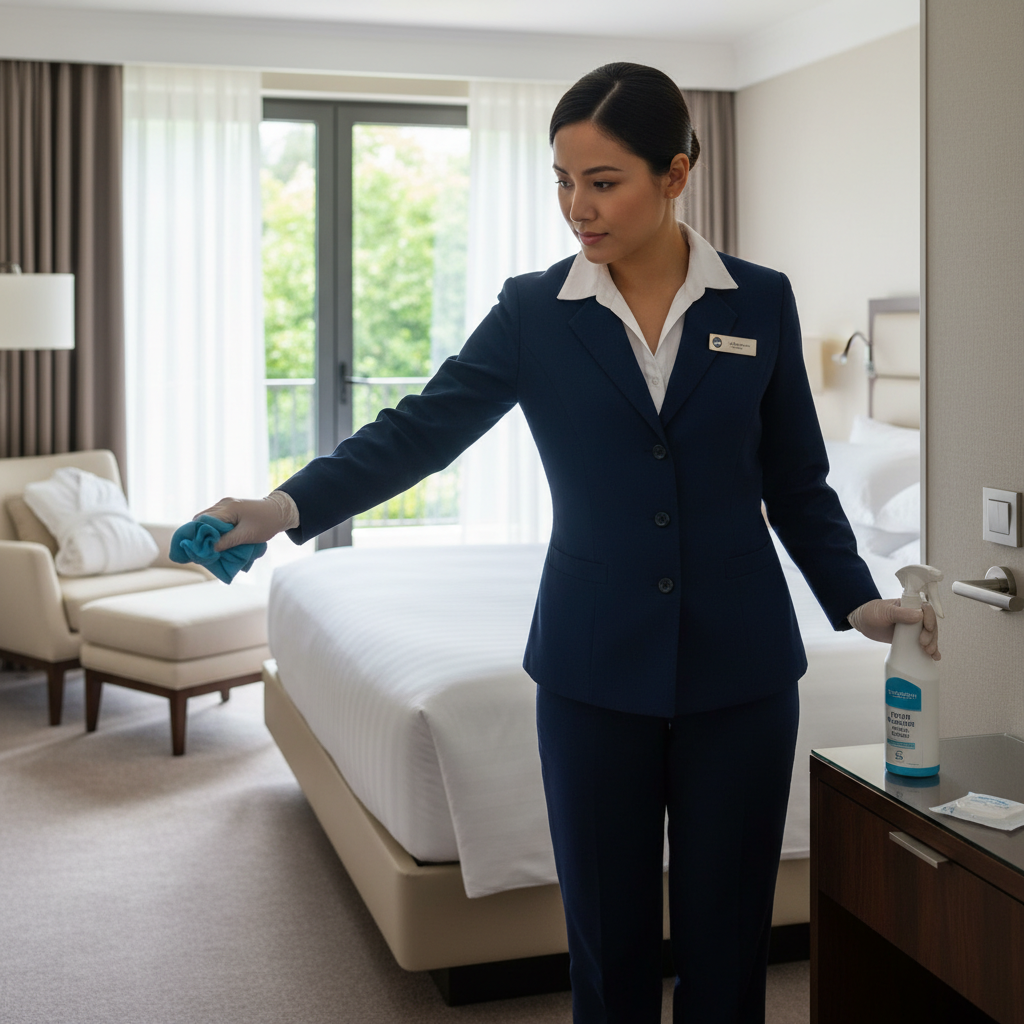
The most common issue we see in hospitality cleaning Bristol is speed-cleaning that prioritises appearance over hygiene. A room can look spotless and still harbour bacteria on high-touch surfaces like TV remotes, door handles, light switches, and kettle lids. These areas get wiped down properly in a full clean, but when teams are under pressure to turn rooms quickly — especially over busy weekends — they often get skipped.
The fix isn’t always more staff. It’s a structured checklist system where every surface is accounted for, not just the obvious ones. If your current cleaning protocol doesn’t include a written room-by-room checklist with sign-off, that’s probably where your process is breaking down.
Linen and Towel Rotation Done Wrong
Some guest houses in Bristol still operate on a visual inspection model for linen — if it looks clean, it goes back on the bed. This is a significant hygiene risk and a fast track to complaints. Linen that hasn’t been properly laundered at the right temperature won’t meet basic hotel cleaning standards, regardless of how white and pressed it looks.
The standard temperature for washing bedding and towels to kill bacteria and dust mites is 60°C minimum. Below that, you’re essentially just refreshing the fabric. If your laundry supplier or in-house laundry isn’t hitting that temperature consistently, it’s worth checking — your guests’ skin is in direct contact with that linen every night.
Bathrooms: The Room Guests Judge You On
Bathrooms get a disproportionate amount of scrutiny, and rightly so. The grout around tiles, the base of the toilet, the shower drain, the underside of the toilet seat — these are the spots that get photographed and posted to TripAdvisor. They’re also the spots that get missed most often because they require getting down low and using the right tools.
Limescale is a particular problem in Bristol because the water is moderately hard. Without regular descaling of taps, showerheads, and around plughole fittings, a bathroom can look neglected even when it’s been cleaned daily. Use a proper descaling product weekly, not just a general-purpose spray.
One thing many guest house cleaning teams get wrong is reusing cloths across rooms. Even with colour-coded systems, cross-contamination happens when teams are rushing. Disposable cloths or single-use microfibre cloths per room are the cleaner option, even if they cost a little more.
Public Areas: The Parts Guests See Before They See Their Room
The lobby, the staircase, the breakfast room — these set the tone before a guest even opens their bedroom door. Yet in many smaller hotels and B&Bs, these communal areas get cleaned once in the morning and then left. By the time the evening check-in rush happens, they’ve accumulated a full day of foot traffic.
High-footfall areas need attention throughout the day, not just first thing. A quick walk-through mid-morning and another before the 3pm check-in rush makes a significant difference to how guests perceive your establishment. It’s not about a full re-clean — it’s about tidying, restocking, and ensuring nothing looks worn or dusty.
What the Best Bristol Hotels Are Doing Right
The difference between a hotel that gets praised for cleanliness and one that doesn’t often comes down to systems. Hotels that maintain high standards invest in three things: clear written protocols, staff training, and spot-checking. A manager doing a weekly walk-through with a checklist catches issues before guests do.
Temperature-controlled laundry, divided cleaning zones where the same person cleans the same rooms (so they take ownership), and a strict high-touch surface protocol make all the difference. This isn’t expensive — it’s just methodical.
Moving Forward: What to Change First
If you’re running a hotel or guest house and wondering where your standards are slipping, start with a guest room audit. Walk through one of your rooms with the critical eye of a TripAdvisor reviewer. Check under the bed, behind the radiator, the top of the door frame — the spots guests will examine.
Then, for your next deep clean, get your team to follow The Complete Guide to Commercial Cleaning Standards in Bristol and implement a room-by-room checklist. Make your bathrooms spotless — use professional descaling products, separate cloths per room, and ensure the underside of seats and the base of toilets are cleaned every time.
Finally, if your in-house team is stretched, consider bringing in specialist hospitality cleaners. A professional cleaning company experienced with hotels knows exactly where guests look and what matters. This is where professional hospitality cleaning services make a real difference — they come in with systems already in place and take the pressure off your staff.
Bristol’s hospitality sector is competitive. Your cleanliness standards are one of the easiest ways to stand out — or to disappoint. Make it a priority, and your reviews will thank you.
If you’re looking to improve your cleaning standards or would like a professional team to take over, get a free cleaning quote from Clean Bees. We specialise in hospitality cleaning across Bristol.