
Why Communal Cleaning Is More Than Just Appearances
If you manage a block of flats in Bristol, you already know that communal areas take a beating. Hallways, stairwells, bin stores, lifts, and entrance lobbies are used by every single resident — sometimes dozens of people a day — and they show it. Dirt, scuffed walls, uncollected post, damp smells, and overflowing recycling bins are the kind of things that generate complaints, damage your reputation, and in some cases, create genuine health and safety problems.
Good communal area cleaning isn’t just about making the place look presentable. It’s about maintaining the building’s value, keeping residents happy, and meeting your legal responsibilities as a landlord or property manager. Let’s break down what you actually need to know.
Your Legal Responsibilities as a Landlord or Property Manager
Under the Landlord and Tenant Act 1985, landlords are required to keep the structure and common parts of a building in reasonable repair. Bristol City Council can also issue improvement notices if communal spaces become a health hazard — think mould, pest infestations, or fire exit obstructions.
Blocks managed under a residents’ management company or a long lease arrangement often have specific cleaning obligations written into the lease itself. Failing to meet these can lead to disputes, service charge challenges, or tribunal claims. It’s worth checking your specific lease terms if you haven’t recently.
Fire safety is the other big one. The Regulatory Reform (Fire Safety) Order 2005 requires that escape routes — which usually means stairwells and corridors — are kept clear and in a suitable condition. Regular cleaning is part of how you demonstrate compliance, especially after the heightened scrutiny following national fire safety reviews in recent years.
What Should a Communal Cleaning Schedule Actually Cover?
This depends on the size of the building, how many residents you have, and the specific layout. A converted Victorian terrace with four flats needs very different attention than a purpose-built six-storey block with a lift and underground parking.
That said, most residential blocks need the following covered:
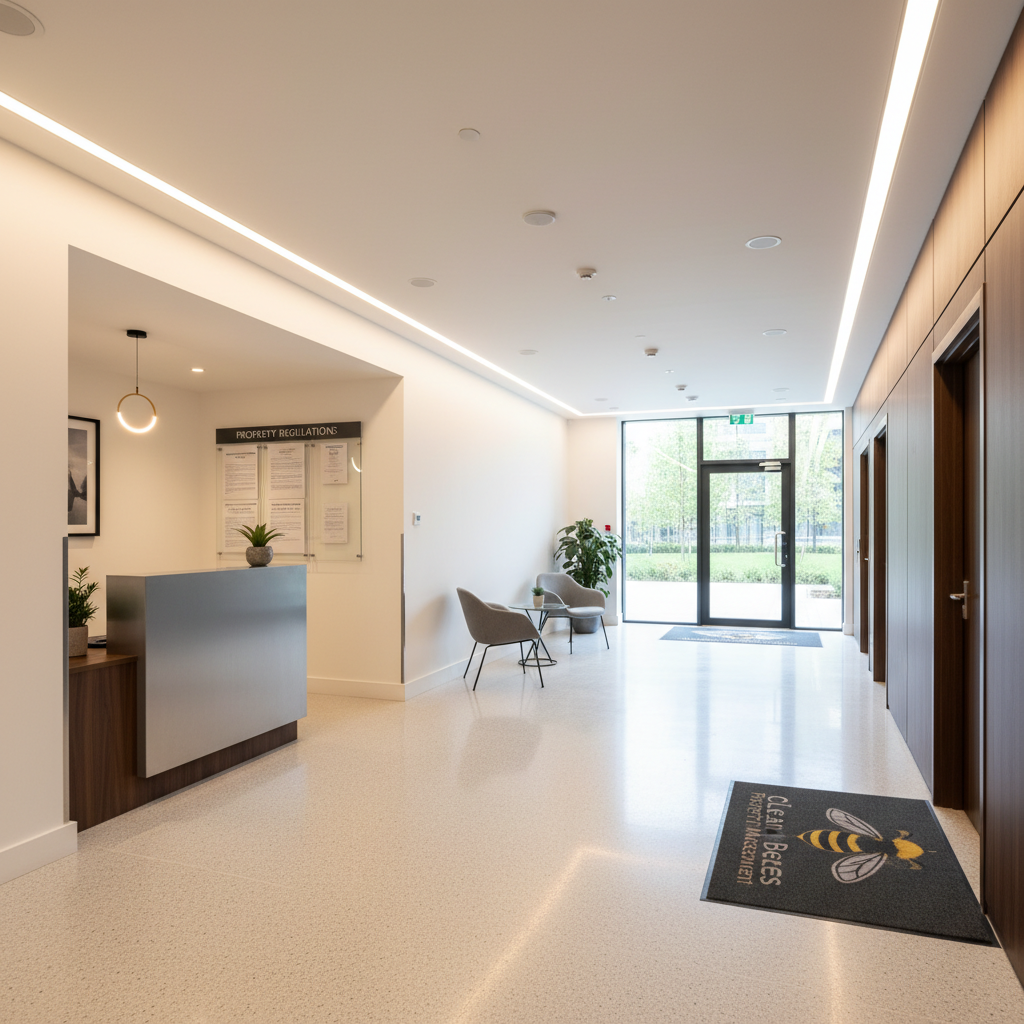
- Entrance lobbies and reception areas — floors mopped or vacuumed, surfaces wiped, glass doors cleaned
- Stairwells and landings — sweeping, mopping, handrail wiping
- Lifts — floor cleaning, interior wipe-down, button panels sanitised
- Bin store areas — cleared, swept, and deodorised
- Post areas and noticeboards — kept tidy and free of hazards
- Any shared laundry rooms or cycle stores
How often each area needs attention varies. High-traffic entrance lobbies in a busy Bristol city centre block might need a quick clean daily, while a quiet suburban building might manage with twice-weekly visits. If you’re unsure where to start, our guide on how often communal areas should be cleaned walks through the key factors in more detail.
DIY vs. Professional Block Cleaning Services
Some smaller landlords try to manage cleaning themselves or rely on a rota among residents. Honestly, it rarely works well. Residents don’t always pull their weight, standards slip, and when something does go wrong — a spillage, a pest issue, a complaint to the council — there’s no paper trail to show the building was being properly maintained.
Using a professional provider for communal area cleaning services means consistent standards, accountability, and documented records of maintenance. Most landlords and managing agents we work with also find it costs less than expected when you factor in their own time and the cost of fixing problems after standards slip.
What to Look For in a Communal Cleaning Provider
Not all cleaning services are the same — especially for blocks. You need a provider that understands the specific demands of Bristol’s varied housing stock.
Experience with blocks and communal areas
A cleaning company that has worked with residential blocks before will understand lease obligations, fire safety compliance, and the rhythm of a multi-tenanted building. They’ll know that entrance lobbies have different traffic patterns than back stairwells, and that bin stores need a different approach than lifts.
Insurance and compliance
Check they’re fully insured for public liability — especially important if they’re working in occupied buildings with residents moving around. They should also be able to provide references from other Bristol property managers or landlords.
Flexibility around resident access
Your residents still need to use the building while cleaning is happening. Look for a provider that can work around peak hours, manage access properly, and won’t cause disruption or complaints.
Clear communication and reporting
Monthly reporting, photos of completed work, and easy contact with a dedicated point person make a huge difference. You need to know what’s being done and be able to escalate issues quickly if standards slip.
Costs and Setting Realistic Expectations
Communal cleaning costs vary wildly depending on building size, number of floors, layout complexity, and cleaning frequency. A small four-flat townhouse might cost £50–100 per month with weekly attention. A 20-flat block with a lift could easily be £400–800 per month, depending on how often you want services.
The key is clarity upfront. Get at least three quotes and make sure they cover exactly what you need. Don’t just go for the cheapest — a provider cutting corners on communal areas can damage your building’s reputation and your residents’ satisfaction within weeks.
Putting It All Together
Managing communal areas properly isn’t a luxury — it’s part of responsible property management. Regular, professional cleaning protects your building, keeps residents happy, and demonstrates you’re meeting your legal obligations. If you’ve been managing communal cleaning in-house or with an inconsistent approach, the shift to a professional provider usually pays for itself in better retention, fewer complaints, and reduced long-term maintenance costs.
If you’d like to discuss your building’s specific needs or get a quote for communal area cleaning in Bristol, get a free quote from Clean Bees today.