
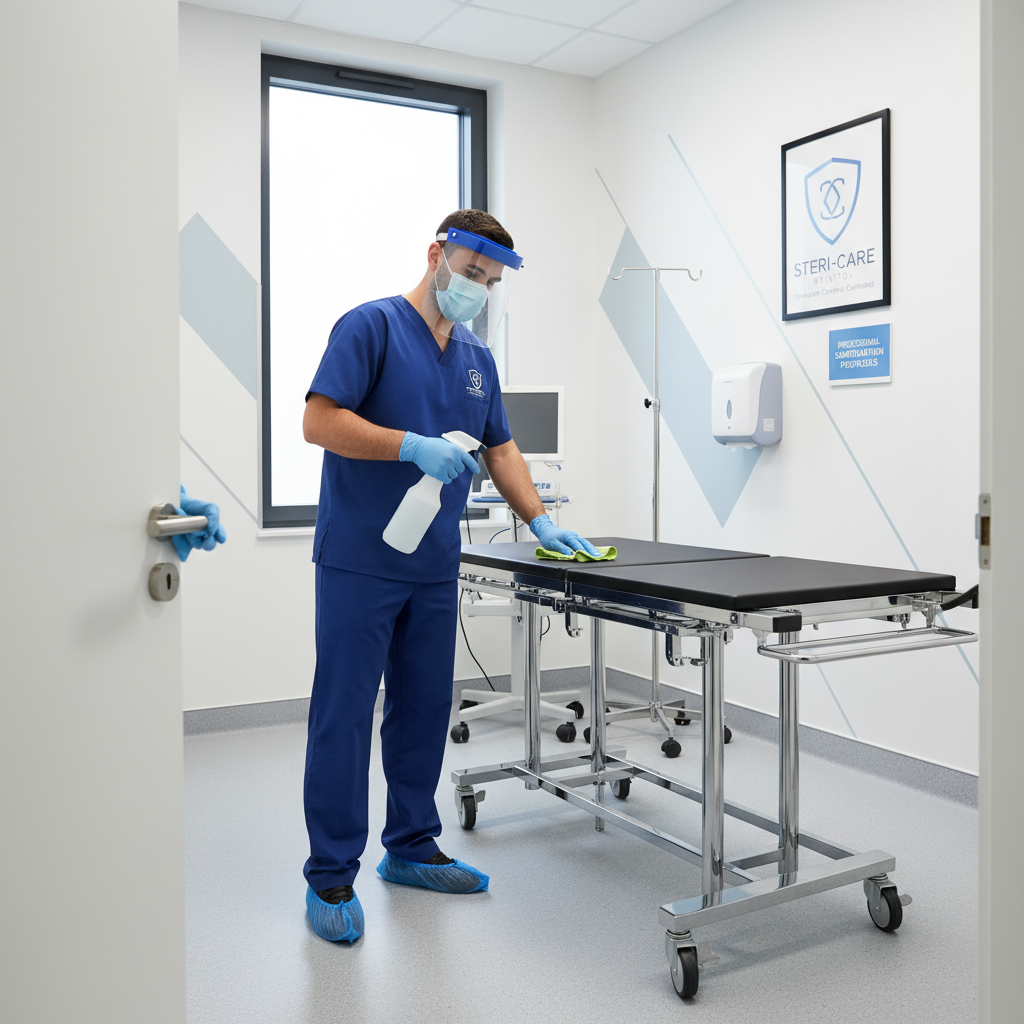
Why Cleaning in Healthcare Settings Is a Different Ballgame
Running a clinic or care home in Bristol means operating under a level of scrutiny that most businesses never face. The Care Quality Commission doesn’t just glance at your paperwork — inspectors look at the physical environment, including whether your facility is genuinely clean and safe for patients, residents, and staff.
A missed inspection or a poor rating doesn’t just hurt your reputation. It can trigger enforcement action, restrict your ability to operate, or worse, put vulnerable people at risk. That’s why healthcare facility cleaning in Bristol needs to be treated as a compliance issue, not just a housekeeping one.
This post breaks down what CQC expects, where facilities managers typically run into problems, and how to make sure your cleaning protocols hold up under scrutiny.
What CQC Actually Looks For
The CQC’s inspection framework covers five key areas: safe, effective, caring, responsive, and well-led. Cleaning and infection control sit primarily under ‘safe’, but poor hygiene can bleed into the ‘well-led’ judgment if inspectors conclude that management isn’t taking it seriously.
Specifically, inspectors assess whether:
- Cleaning schedules exist and are actually followed
- High-touch surfaces are being cleaned at appropriate frequencies
- Colour-coded cleaning equipment is being used correctly to prevent cross-contamination
- COSHH (Control of Substances Hazardous to Health) compliance is in place for cleaning products
- Cleaning staff have received appropriate infection prevention training
- Records are kept and auditable
That last point catches a lot of facilities off guard. It’s not enough to clean well — you need to be able to prove you’re cleaning well. Cleaning logs, staff training records, and audit trails are all fair game during an inspection.
Common Compliance Gaps in Bristol Clinics and Care Homes
After working with healthcare environments across Bristol, a few problems come up repeatedly.
Inadequate High-Touch Surface Protocols
Door handles, light switches, handrails, call buttons, and shared equipment like IV stands or mobility aids need cleaning far more frequently than general surfaces. Many facilities clean these once daily at best. In clinical environments, high-touch surfaces should typically be cleaned multiple times per day, and the frequency should be documented.
Colour Coding Confusion
NHS colour coding guidelines assign specific colours to specific areas — red for sanitary areas, yellow for isolation rooms, blue for general areas, and green for catering. Cross-contamination happens when these boundaries aren’t respected, often because cleaning staff haven’t been trained properly or aren’t supervised consistently.
Using the Wrong Cleaning Agents
Disinfectants that work fine in an office building may not be appropriate for clinical environments. Some surfaces require specific hospital-grade disinfectants with proven efficacy against healthcare-associated infections (HCAIs). Using the wrong product and calling it done doesn’t meet CQC cleaning standards — and it doesn’t actually reduce infection risk either.
No Documented Audit Trail
This is perhaps the most common issue. Cleaning gets done, but nobody records it. When inspectors ask for evidence, there’s nothing to show. A professional cleaning provider with healthcare experience will maintain detailed logs as a matter of course — this isn’t optional in a CQC-regulated environment.
The Infection Control Stakes Are Real
Healthcare-associated infections (HCAIs) like MRSA and C. difficile cost the NHS millions annually and directly compromise patient outcomes. Cleaning isn’t just about making a space look nice — it’s a direct control measure for infection prevention.
Proper cleaning protocols in healthcare settings reduce infection rates, which improves patient safety, reduces hospital readmission, and strengthens your CQC rating. That’s not soft benefit talk. It’s documented clinical evidence.
What a Professional Healthcare Cleaning Provider Should Bring
Not all commercial cleaning companies have the expertise for healthcare environments. The right partner will:
- Understand CQC requirements and build cleaning protocols around them
- Follow NHS colour coding protocols and infection control standards
- Use hospital-grade disinfectants with proven efficacy against healthcare pathogens
- Train staff on infection prevention and maintain compliance records
- Document everything — cleaning logs, staff training, product usage, and audit trails
- Provide audit support — many providers can help prepare facilities for CQC inspections by reviewing cleaning protocols and documentation
When you contact a cleaning provider about healthcare facility cleaning, ask directly about their CQC experience. A hesitant answer tells you they might not be the right fit for a regulated environment like yours. Our healthcare facility cleaning services are built around CQC compliance from the ground up, and we’ve worked with Bristol clinics and care homes to pass inspections with confidence.
Building an Audit-Ready Cleaning Culture
Passing a CQC inspection isn’t about deep cleaning the day before inspectors arrive. It’s about maintaining consistent, documented cleaning standards every day.
This starts with clarity — everyone on your team needs to know what’s being cleaned, how often, with what products, and why it matters. It continues with accountability — recording what’s been done creates evidence of consistent compliance. And it ends with oversight — regular audits of your cleaning protocols catch gaps before they become inspection findings.
Many Bristol healthcare facilities we work with have found that partnering with a professional cleaning provider actually simplifies compliance. You transfer the operational burden, but you gain documented compliance and trained specialists who understand the regulatory landscape.
Your Next Step
If you’re responsible for cleaning compliance at a Bristol clinic, care home, or healthcare facility, don’t leave your CQC rating to chance. A single missed cleaning standard can trigger an inspection finding, and findings compound over time.
Get a free consultation to discuss your facility’s specific cleaning and compliance needs. We’ll review your current protocols, identify gaps, and build a cleaning plan designed to support your next CQC inspection with confidence.