
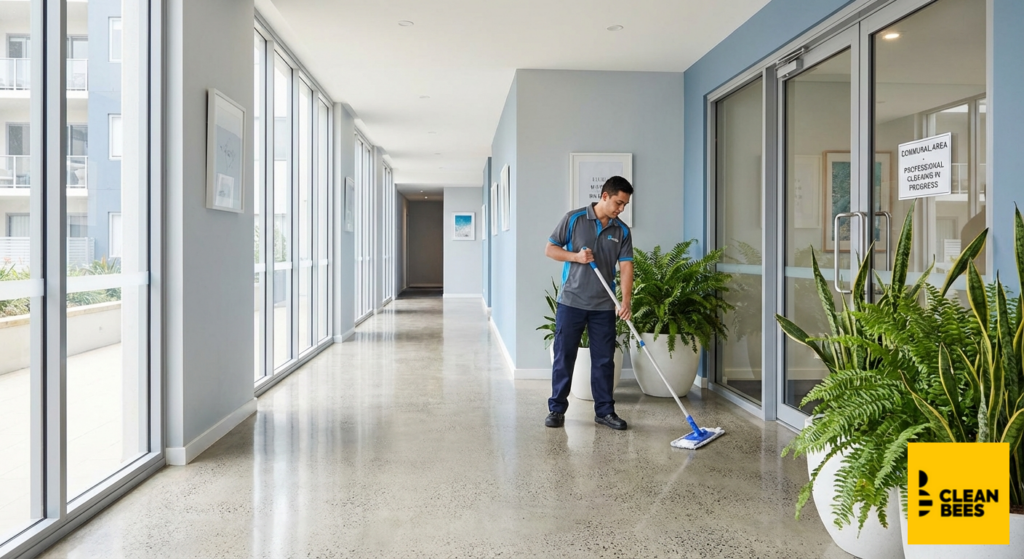
If you manage a block of flats, a residential development, or a mixed-use building, you have probably noticed the connection between communal area cleanliness and leaseholder complaints. The correlation is remarkably direct: poorly maintained shared spaces generate dissatisfaction far out of proportion to the actual cleaning cost.
Yet many property managers treat communal cleaning as a line item to minimise rather than a service that directly affects resident retention, property values, and management reputation. This approach is short-sighted. The cost of losing a leaseholder, dealing with formal complaints, or defending service charge challenges far exceeds the investment required for proper communal cleaning.
This guide explains why communal area cleaning matters to leaseholders, what good service looks like, and how to evaluate whether your current arrangements serve the property — and the people living in it.
Why Leaseholders Care About Communal Cleaning
Leaseholders have a unique relationship with their building. Unlike tenants in short-term rentals, they own their flats but share ownership of communal spaces. Their maintenance contributions — service charges — fund the upkeep of these shared areas. This creates specific expectations and sensitivities.
The Visibility Factor
Communal areas are the first thing residents see when they arrive home and the last thing they see when they leave. Clean, well-maintained spaces signal that their service charges are being spent wisely and that the building is being properly managed. Conversely, dirty corridors, overflowing bins, or neglected entrances create immediate negative impressions.
This visibility means communal cleaning has outsized impact on satisfaction. A spotlessly maintained flat cannot compensate for a grimy entrance or unpleasant bin store. The shared spaces affect every resident, every day, regardless of how individual flats are kept.
The Service Charge Connection
Leaseholders receive service charge demands and want to see value. When corridors are dirty, windows are smeared, or lifts smell, they question where their money goes. This dissatisfaction translates into:
- Formal complaints to management companies or residents associations
- Service charge disputes and demands for detailed accounting
- Retention problems when leaseholders sell rather than tolerate conditions
- Reputational damage that affects property values and new sales
For property managers in Bristol and surrounding areas, understanding this connection is essential. We have written previously about what to look for in office cleaning contracts — the principles of quality verification and accountability apply equally to residential communal cleaning.
The Real Costs of Poor Communal Cleaning
Cutting communal cleaning budgets might seem like an easy saving, but the hidden costs typically exceed any reduction. Understanding these costs helps explain why proper cleaning is an investment rather than an expense.
Leaseholder Turnover
Dissatisfied leaseholders sell their flats. Each sale involves:
- Estate agent fees — typically 1-2% of property value
- Legal and conveyancing costs — £800-1,500 per transaction
- Void periods — unoccupied flats still incur service charges but generate no contributions
- Management time — handling enquiries, viewings, and handovers
High turnover destabilises communities and creates administrative burdens that far exceed cleaning costs. Long-term, settled residents are cheaper to manage than constant churn.
Service Charge Challenges
Poor cleaning provides grounds for formal service charge challenges. Leaseholders can apply to the First-tier Tribunal (Property Chamber) to dispute charges they consider unreasonable. Even unsuccessful challenges cost management time, legal fees, tribunal fees, and reputational damage.
Property Value Impact
Communal area condition directly affects property valuations. Surveyors note cleanliness during inspections, and poor presentation affects lender confidence.
In competitive markets like Bristol, Bath, and the surrounding areas, presentation matters. We have covered how to choose reliable cleaning services for different sectors — residential communal cleaning requires the same attention to accountability and verification.
What Good Communal Area Cleaning Includes
Effective communal cleaning covers more than simple vacuuming. A comprehensive service addresses all shared spaces with appropriate frequencies and standards.
Entrance and Reception Areas
First impressions matter. These spaces require daily cleaning, weekly polishing of metalwork, and monthly floor buffing.
Corridors and Stairwells
These high-traffic areas need consistent attention including daily vacuuming, weekly dusting, and periodic deep cleaning.
Bin Stores and Waste Areas
The most problematic areas require daily emptying, regular deep cleaning, and scheduled sanitisation.
Lifts and Elevators
Confined spaces where cleanliness is highly visible require daily cleaning, regular sanitisation, and ongoing maintenance.
Setting and Maintaining Standards
Good communal cleaning requires clear standards, proper verification, and responsive issue management.
Defining Clean Standards
Vague specifications like “clean to a good standard” create disputes. Effective contracts define visual standards, frequency specifications, quality measures, and odor standards.
Photo Verification Systems
Modern cleaning services increasingly use photo verification. During our work with property managers preparing for CQC inspections, we have found photo verification particularly valuable.
Responsive Issue Management
Even excellent cleaning cannot prevent every problem. What matters is response speed.
Evaluating Your Current Service
If you are questioning whether your communal cleaning service meets leaseholder expectations, consider consistency assessment, resident feedback, and financial comparison.
Changing Cleaning Providers
If evaluation reveals your current service is inadequate, changing providers requires planning to maintain standards during transition.
The Bottom Line: Cleaning as Investment
Viewing communal cleaning as a cost-cutting opportunity is fundamentally misguided. Proper cleaning retains leaseholders, prevents service charge challenges, maintains property values, reduces complaints, and creates communities where residents are proud to live.
The investment required for quality communal cleaning is modest compared to the costs of dissatisfaction. Property managers who understand this connection make better long-term decisions.
For property managers in Bristol, Bath, and surrounding areas seeking reliable communal cleaning services with accountability, photo verification, and responsive issue management, our specialist teams provide comprehensive residential cleaning that protects both properties and leaseholder satisfaction.