
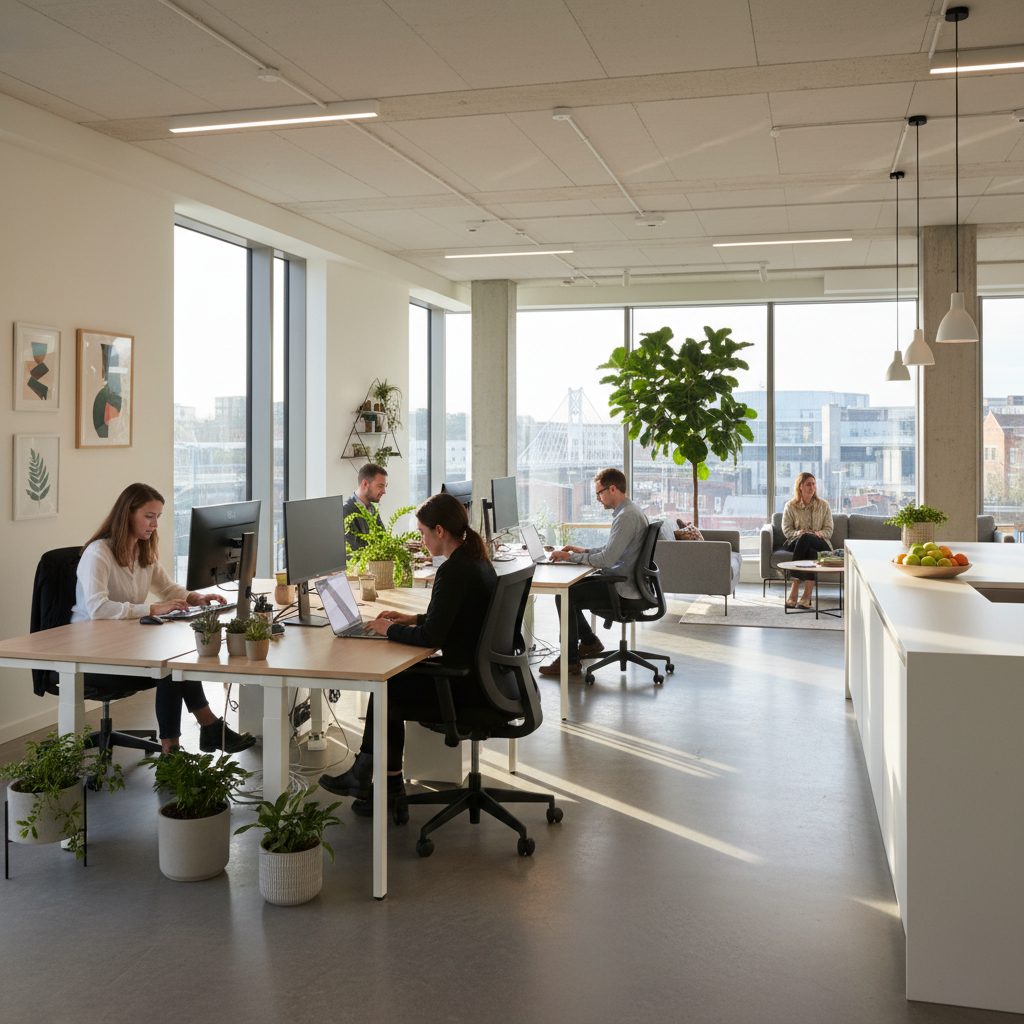
The Connection Between a Clean Workspace and How People Actually Feel at Work
When businesses think about workplace wellbeing, they usually go straight to things like flexible working, mental health days, or employee assistance programmes. Rarely does anyone mention the office floor, the shared kitchen, or the state of the toilets. But the physical environment people work in every day has a real effect on how they think, feel, and function — and cleanliness is a bigger part of that than most people give it credit for.
This isn’t about aesthetics. A genuinely hygienic workspace affects stress levels, concentration, and how safe and respected employees feel. For HR managers, facilities managers, and business owners across Bristol, understanding this link is increasingly relevant — especially as more people return to offices after years of hybrid and remote working.
What the Research Actually Shows
A study published in the journal Personality and Social Psychology Bulletin found that people in cluttered, disorganised environments produced higher levels of cortisol — the stress hormone — throughout the day compared to those in tidy spaces. Sustained high cortisol doesn’t just make people feel anxious. It affects sleep, decision-making, and long-term physical health.
Separate research from Princeton University found that visual clutter competes for attention in the brain, making it harder to focus. A clean, uncluttered workspace literally helps people think more clearly. When desks are crowded with mess and shared spaces are grimy, cognitive load goes up and performance tends to go down.
There’s also the social dimension. When shared spaces — breakout areas, bathrooms, kitchens — are consistently dirty, employees notice. It sends a signal about how much the organisation values their environment, and by extension, them. That’s not a small thing when you’re thinking about retention and morale.
Mental Health at Work: The Environment Matters More Than We Admit
Mental health at work is a broad topic, but environment is one of the few factors employers can directly control. You can’t always reduce workloads overnight or fix difficult team dynamics quickly, but you can make sure the workspace is clean, fresh-smelling, and properly maintained.
For employees who are already managing anxiety or stress, walking into a chaotic, dirty environment can make things noticeably worse. On the other hand, a well-maintained workspace can provide a quiet sense of order — something predictable and right in an otherwise unpredictable day.
Cleanliness also connects to physical health, and physical health connects directly to mental health. Reducing the spread of bacteria and viruses through proper cleaning keeps people healthier and at work more consistently. If you want to go deeper on the physical health side of this, our post on how professional cleaning services improve employee health and reduce sick days covers the evidence in detail.
Why This Matters Specifically for Bristol Businesses Right Now
Bristol has a strong and growing business community, with a wide mix of SMEs, creative agencies, tech companies, schools, and professional services firms all competing for good staff. Workplace culture is a genuine differentiator when recruiting, and it’s one of the first things candidates notice when they come in for an interview.
A clean, well-maintained office says something about how a business operates. A neglected one says something too. For facilities managers and HR leads thinking about how to strengthen workplace culture without a huge budget, the basics matter — and cleanliness is one of the basics.
It’s also worth noting the post-pandemic context. Many employees now have a heightened awareness of hygiene and infection control in shared spaces. Coming back to an office that clearly takes cleanliness seriously can reduce anxiety about being in shared environments — which is still a real concern for some people.
The Practical Side: What Good Cleaning Actually Looks Like
There’s a difference between a workspace that looks clean and one that actually is clean. Surface-level tidying — wiping down desks, emptying bins — is a start, but it doesn’t address high-touch points like door handles, light switches, lift buttons, and shared equipment like printers and microwaves.
Effective commercial cleaning involves a consistent schedule, the right products for different surfaces, and staff who know what they’re doing. It also means accountability — knowing that what’s supposed to be cleaned actually has been. That’s where services like our office cleaning services in Bristol make a real difference. Clean Bees uses the Xota platform, which provides photo-verified evidence of completed cleans, so facilities managers and business owners have a clear record of what’s been done and when.
For HR and wellbeing leads, that kind of accountability is useful beyond the practical. It means you can genuinely tell your team that the workspace is being maintained to a standard — and back it up with evidence.
Small Touches That Make a Bigger Difference Than You’d Think
Beyond the scheduled cleaning routine, there are some environmental factors that are easy to overlook but have a noticeable impact on how people feel at work:
- Air quality — Regular cleaning reduces dust, allergens, and airborne particles. Better air means fewer headaches, less fatigue, and clearer thinking.
- Odour — A workspace that smells fresh feels welcoming. One that smells stale or unclean creates a low-level sense of discomfort that’s hard to shake.
- Shared spaces — Kitchens and bathrooms that are consistently clean tell employees they’re working somewhere that takes their experience seriously.
- Desk and floor cleanliness — Visually clean environments reduce the sense of chaos and help people feel more settled and in control.
None of these are dramatic changes. But together they create an environment where people feel better — which tends to mean they work better too.
Bringing It Together for Bristol Employers
Workplace wellbeing is increasingly a business priority, not just an HR concern. The physical environment is one part of that picture that’s often underinvested in. The evidence is fairly consistent: clean workspaces support focus, reduce stress, and signal to employees that they’re valued.
For Bristol businesses looking to take this seriously, it starts with making sure cleaning provision is genuinely effective — not just present. That means regular, accountable, professional cleaning rather than ad hoc or inconsistently performed in-house arrangements.
If you’re reviewing your current cleaning setup, or want to understand what a proper commercial cleaning service looks like for your business, you’re welcome to get in touch with Clean Bees for a free commercial cleaning quote. No obligation, just a practical conversation about what your workplace needs.