
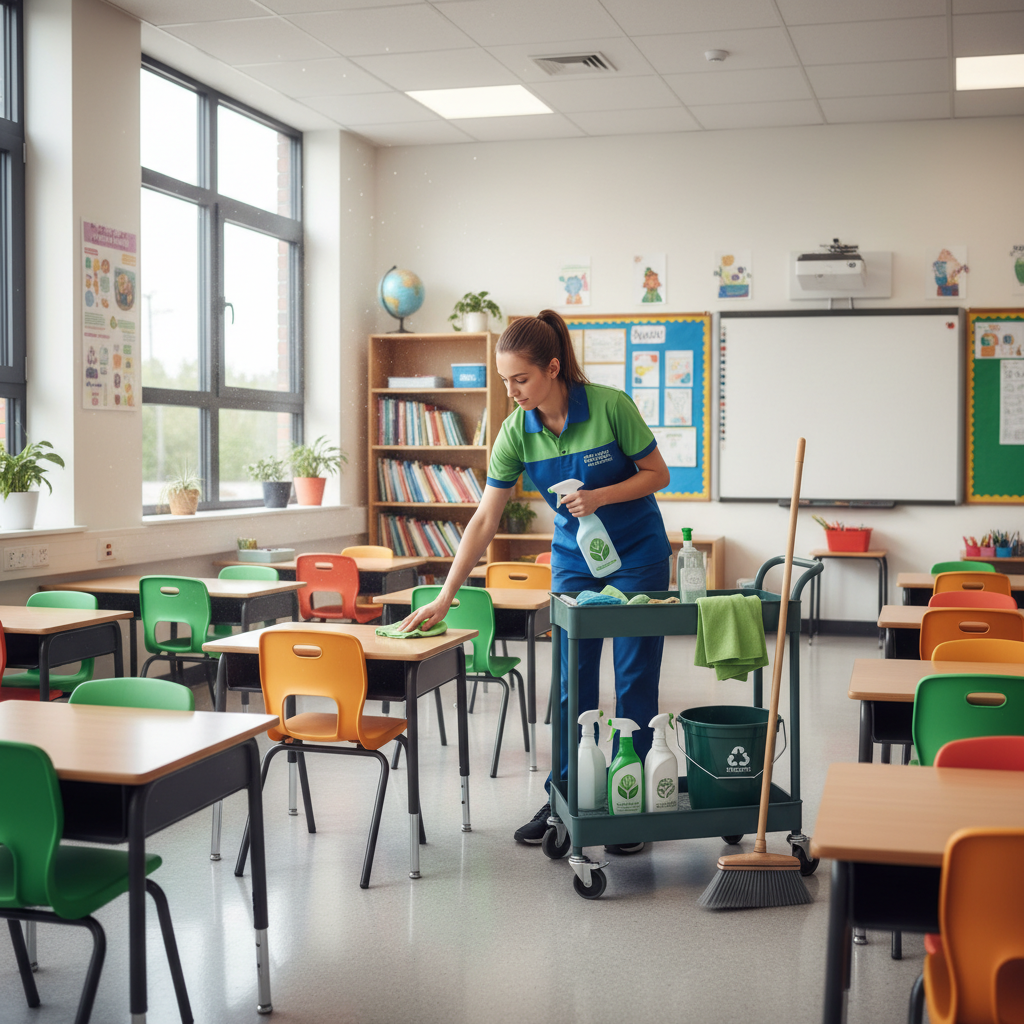
Why School Cleaning Is Different From Regular Commercial Cleaning
Walk into any primary school after lunch and you’ll understand pretty quickly why schools are a cleaning category of their own. You’ve got hundreds of children moving through the same corridors, touching the same door handles, eating in the same spaces, and sharing equipment all day long. The infection risk is real and constant.
For head teachers and facility managers in Bristol, keeping a school clean isn’t just about appearances. It directly affects student health, staff wellbeing, and even attendance figures. A norovirus outbreak that sweeps through a poorly sanitised school can mean days of disruption, worried parents, and pressure from Ofsted if hygiene standards become a recurring concern.
This is why school cleaning services in Bristol need to go well beyond a quick mop and hoover. They require structured cleaning protocols, trained staff who understand cross-contamination risks, and a consistent approach that holds up day after day.
What Healthcare-Level Standards Actually Mean in a School Setting
You’ll often hear cleaning companies talk about meeting healthcare standards, but what does that mean in practice for a school?
In healthcare environments, cleaning is categorised by risk zone. High-touch surfaces — door handles, light switches, toilet flushers, taps — are cleaned and disinfected at much higher frequency than low-traffic areas like storage rooms. The same logic applies in schools, where children’s immune systems are still developing and respiratory illnesses spread fast in enclosed spaces.
Applying healthcare standards to educational facility cleaning means:
- Using colour-coded cloths and mops to avoid cross-contamination between toilets, kitchens, and classrooms
- Specifying the correct contact time for disinfectants, not just wiping and moving on
- Cleaning frequently touched surfaces multiple times a day, not just at end of day
- Using products that are effective against common pathogens like norovirus, influenza, and E. coli
- Keeping detailed records of what was cleaned, when, and with what products
That last point matters more than most school managers realise. If there’s ever an investigation following an illness outbreak, cleaning logs provide a clear paper trail. Without them, proving your school met its duty of care becomes much harder.
The Areas That Get Missed Most Often
Based on what cleaning professionals consistently find in schools, certain areas tend to fall through the cracks regardless of how diligent the daily cleaning routine appears to be.
Toilet and Changing Facilities
These get daily attention, but the quality varies enormously. It’s not enough to wipe down the visible surfaces. Underneath toilet rims, around cistern handles, on the inside of cubicle doors — these spots harbour bacteria and often get missed during a rushed end-of-day clean.
Communal Eating Areas
School canteens and dinner halls need cleaning between sittings, not just at the end of the day. Food residue left on tables or benches for even an hour is enough to attract pests and allow bacterial growth. The floor directly beneath tables is another spot that gets overlooked.
IT Equipment and Desks
Keyboards, mice, tablets, and shared equipment are touched constantly but rarely sanitised properly. Standard cleaning cloths shouldn’t be used on electronics. It takes just a few seconds to wipe down frequently used devices, but most end-of-day cleans skip this entirely.
How to Know If Your School’s Cleaning Is Actually Up to Standard
Head teachers often rely on cleaning contractors and trust that the work is being done to a high standard. But how do you actually verify it?
Check the Detail on Surfaces
After a room has been cleaned, run a white cloth over door handles, light switches, and window sills. If you pick up visible dirt, that’s a red flag. You shouldn’t see dust or residue on these high-touch areas.
Review the Cleaning Schedule
A credible school cleaning contractor should provide you with a detailed schedule showing what gets cleaned, how often, and what products are used. If they’re vague about their methods, that’s concerning. Ask to see cleaning logs for specific areas like toilets or kitchen facilities.
Talk to Your Staff and Students
Teachers and support staff notice the state of facilities more than anyone. If they’re complaining about dirty toilets, sticky floors, or pest activity, those are signs that cleaning protocols aren’t working. Students will also comment if facilities feel unclean — which affects how they perceive the school’s standards.
Check Pest and Illness Trends
If your school has had recurring pest issues or unusually high absence rates due to illness, this suggests cleaning standards may need improvement. Not all absences are cleaning-related, but poor hygiene absolutely contributes.
What Your Next Steps Should Be
If you’re running an educational facility in Bristol and suspect your current cleaning arrangements aren’t meeting the standard your school deserves, it’s worth getting a specialist opinion. The Complete Guide to Commercial Cleaning Standards in Bristol covers what to look for in detail.
Professional school cleaning services that follow healthcare-level protocols aren’t a luxury — they’re a practical investment in student health, staff wellbeing, and Ofsted preparedness. If you’d like to discuss what a properly structured school cleaning programme looks like for your facility, get in touch for a consultation.